About ClimateCrop

Founded at the intersection of plant science and climate urgency. We exist to ensure that farmers have the tools to feed the world even as the climate changes beneath their fields.

2019 Year Founded
45+ Scientists and Engineers
7 Field Trial Locations
12+ Crop Species in Pipeline
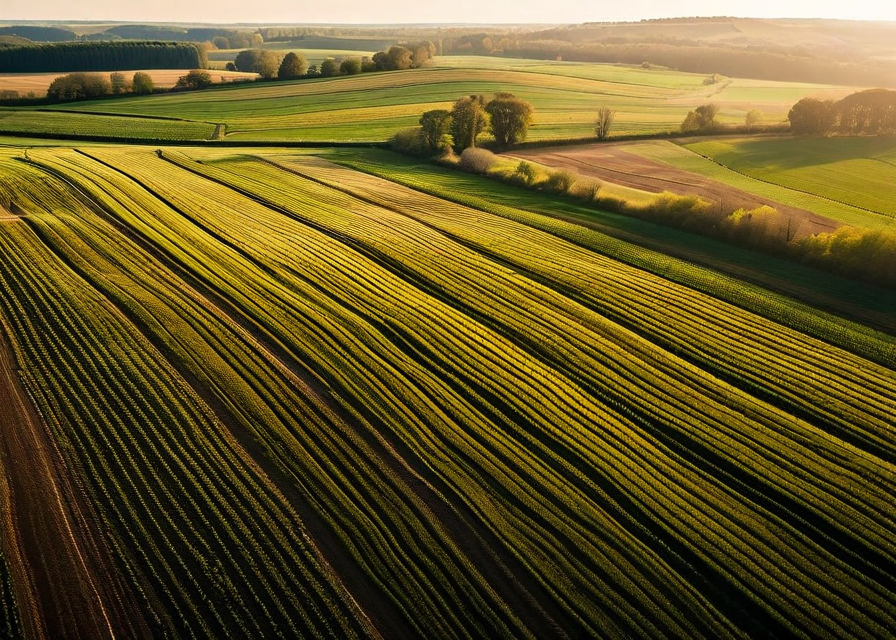
ClimateCrop research fields

Feeding a Warming World Through Precision Science

Global food security faces a compounding crisis. Climate change is already reducing crop yields in many regions, water tables are declining, and the global population continues to grow. Conventional breeding cannot keep pace with the rate of climate change. Chemical inputs have reached diminishing returns. The world needs a fundamentally new approach to crop improvement.

ClimateCrop was established in 2019 by a founding team from North Carolina State University and the International Maize and Wheat Improvement Center (CIMMYT) with a clear mandate: use precision gene editing to create crop varieties that produce reliable harvests under the climate conditions projected for 2040–2070, and bring them to farmers within a decade.

We are not a conventional seed company. We are a technology platform that generates edited germplasm and licenses it to seed companies, public breeding programs, and national agricultural research systems worldwide. Our purpose is to maximize the reach of climate-resilient genetics, not to capture seed market share.
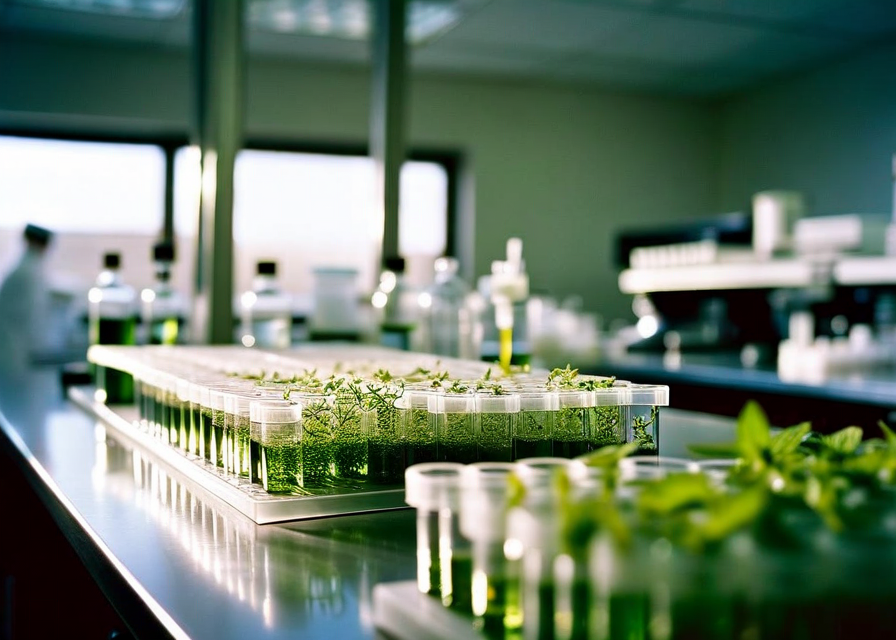
ClimateCrop research team at work

Built From Field Observations, Not Lab Assumptions

ClimateCrop's founders spent years documenting crop failures in sub-Saharan Africa, South Asia, and the American Midwest. They observed firsthand how heat waves during pollination could eliminate an entire season's maize harvest, how erratic rainfall was forcing farmers into ever-greater risk, and how the genetic diversity needed to breed climate resilience existed in wild relatives and landraces that conventional breeders had no efficient mechanism to access.

The founding insight was simple: the genetic solutions to climate stress already exist in nature. Wild relatives of wheat, maize, and rice carry alleles for extraordinary drought tolerance that took millions of years to evolve. The barrier was not biological — it was technological. Introgressing useful alleles from wild species into elite cultivars through conventional crossing takes 10–15 years and drags along undesirable genes. CRISPR changed that equation fundamentally.

With precise gene editing, we can identify the exact molecular variant that confers drought tolerance in a Moroccan landrace, and introduce that precise change into a high-yielding US wheat variety in two years rather than fifteen.

What We Stand For

Scientific Rigor

Every edit we advance has been validated computationally before any laboratory work begins. Every variant we license has three or more years of field performance data behind it. Our science holds up under regulatory scrutiny and farmer expectations — and it does.

Global Access Commitment

Climate change hits hardest in the regions with the least resources to adapt. ClimateCrop maintains a humanitarian licensing program under which edited germplasm for key food security crops is made available royalty-free to national agricultural research systems and public breeders in low- and lower-middle-income countries.

Regulatory Transparency

We engage proactively with regulatory agencies in every major market. We publish our molecular characterization data. We do not seek to navigate around regulatory review — we seek to demonstrate, with comprehensive data, that our edited varieties pose no greater risk than conventionally bred crops.

Farmer-First Design

Climate resilience has no value if farmers cannot afford the seed, or if the variety fails under real farming conditions. We design our field validation programs to reflect actual smallholder and commercial farm practices. Varieties that do not perform under resource-constrained conditions do not advance in our pipeline.

Ecological Responsibility

Gene editing is a powerful tool that requires responsible use. We conduct thorough ecological impact assessments for all varieties. We work closely with weed scientists and entomologists to ensure that pest resistance edits have no pathways to drive ecological harm.

Open Collaboration

The challenge of feeding a warming world is too large for any single organization. We publish our foundational research, co-develop with public institutions, and share enabling tools with the academic plant science community. The genomic targets we identify are shared in curated databases accessible to the global research community.

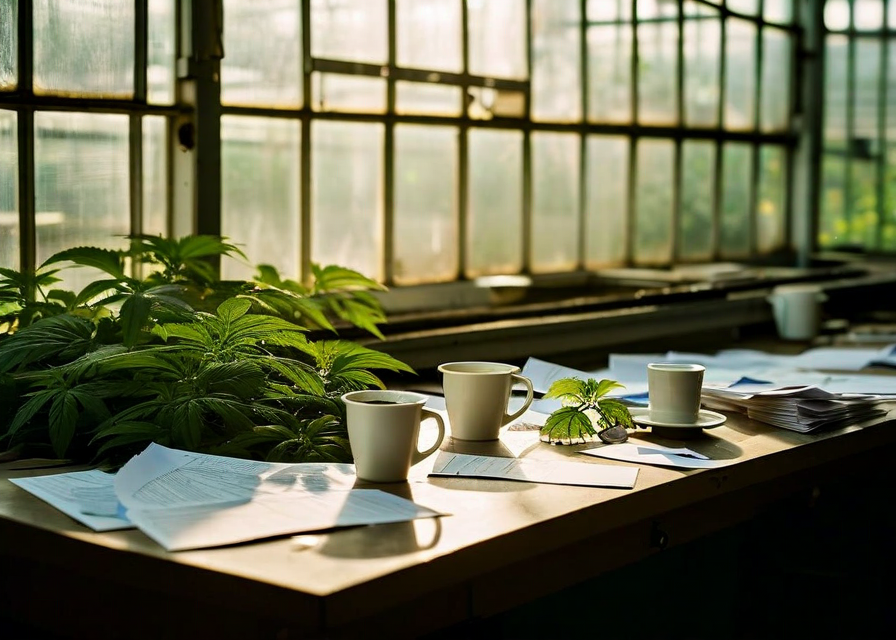
ClimateCrop research greenhouse

Headquartered in Ramat Gan, Israel

Israel's agri-tech ecosystem is among the world's most advanced. ClimateCrop's headquarters at 14 Abba Hillel Silver Rd, Ramat Gan, places our team at the heart of a dense innovation cluster spanning precision irrigation, genomics, and agricultural AI.

Our facility houses CRISPR delivery laboratories, plant transformation suites equipped for both biolistic and Agrobacterium-mediated transformation, controlled environment growth chambers capable of simulating drought, heat, and combined stress conditions, and next-generation sequencing infrastructure for molecular event characterization.

We maintain field trial partnerships at seven locations across four continents — providing the geographic diversity needed to validate performance across the climate scenarios our varieties are engineered to address.

14 Abba Hillel Silver Rd, Ramat Gan 52506, Israel

Greater Tel Aviv metropolitan area, one of the world's leading agri-tech innovation hubs.

Full R&D Infrastructure

CRISPR labs, transformation suites, climate-controlled growth chambers, and NGS sequencing on-site.

Ready to Partner With ClimateCrop?

Explore licensing, research collaboration, and humanitarian germplasm access opportunities. We welcome inquiries from seed companies, public breeders, and research institutions worldwide.

Get in Touch