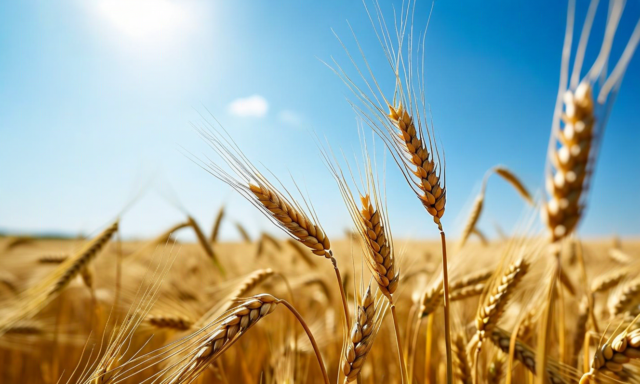
How CRISPR Is Transforming Drought-Resistant Crop Development
Drought accounts for more annual crop loss than any other abiotic stress. CRISPR tools allow researchers to manipulate specific nodes in the drought response network with precision that decades of conventional breeding could not achieve.
Read More →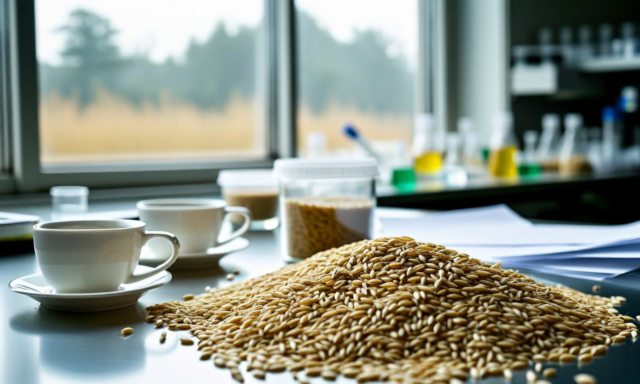
Precision Gene Editing in Staple Crops: What the Science Shows
A review of CRISPR-Cas9, base editing, and prime editing tools — and how each is being applied to rice, wheat, and maize improvement programs. The science has advanced significantly; here is where it actually stands.
Read More →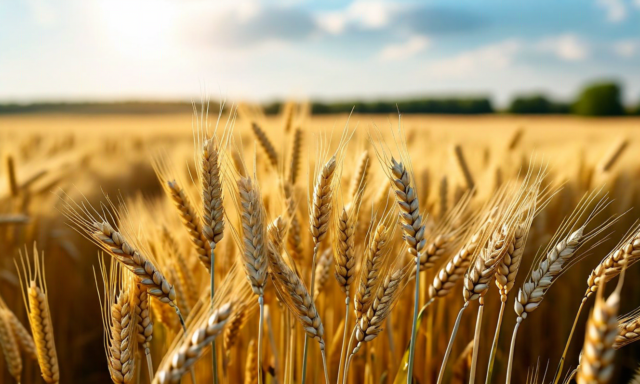
Developing Heat-Tolerant Wheat Varieties for a Warming World
Heat stress during anthesis and grain fill is projected to reduce wheat yields across major production regions. We examine the molecular mechanisms and gene editing strategies targeting thermostable photosynthesis and pollen viability.
Read More →
Gene Editing vs. GMOs: What the Differences Actually Mean
Gene editing and transgenic GMOs are frequently conflated in public discourse. The molecular differences are significant and have direct implications for safety assessment, regulatory treatment, and what kinds of improvements are possible.
Read More →
Regulatory Pathways for Gene-Edited Crops: A Global Overview
From the US SECURE rule to emerging EU frameworks and Latin American regulatory approaches, we map the global landscape governing gene-edited crop approval and what it means for bringing climate-adapted varieties to market.
Read More →
Climate Resilience and the Global Food Supply
Quantifying what climate change actually means for agricultural production — yield trends, geographic shifts, and the growing gap between projected demand and supply under climate stress scenarios.
Read More →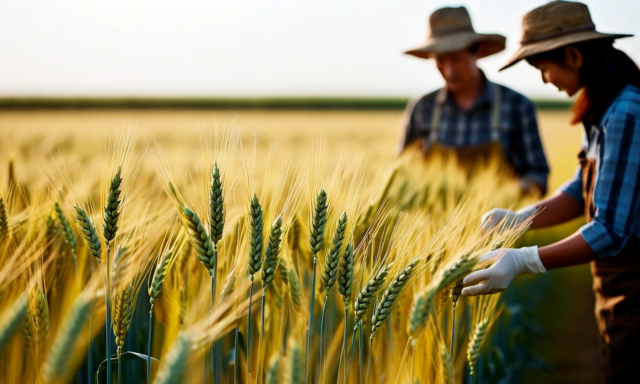
Collaborating with Farmers: Field Trials for Climate-Adapted Crops
How ClimateCrop structures its global field trial network and farmer partnerships to generate ecologically valid performance data — and why farmer observation is a formal data input, not just feedback collection.
Read More →
Disease Resistance in Soybean: Gene Editing Advances
Sudden Death Syndrome and other soilborne pathogens cost soybean producers billions annually. We examine target gene candidates, field trial results, and the balance between disease resistance and yield performance.
Read More →
Plant Genomics and the Future of Crop Improvement
Reference genome assemblies, pan-genomics, and functional annotation are reshaping how crop improvement targets are identified. What the genomic revolution means in practice for gene editing program design.
Read More →
The Role of Computational Biology in Modern Plant Breeding
Genomic selection, machine learning for phenotype prediction, bioinformatics pipelines for target identification — how computational tools are transforming the speed and precision of crop improvement programs.
Read More →
Nitrogen Efficiency in Crops: A Gene Editing Opportunity
Nitrogen fertilizer is the largest external input in crop production and a major environmental cost. We examine the genetic targets and editing strategies for improving how crops acquire and use nitrogen.
Read More →
From Lab to Field: ClimateCrop's Crop Development Pipeline
A detailed look at each stage of our crop development process — from target identification and guide RNA design through multi-environment field trials, regulatory clearance, and commercial variety release.
Read More →