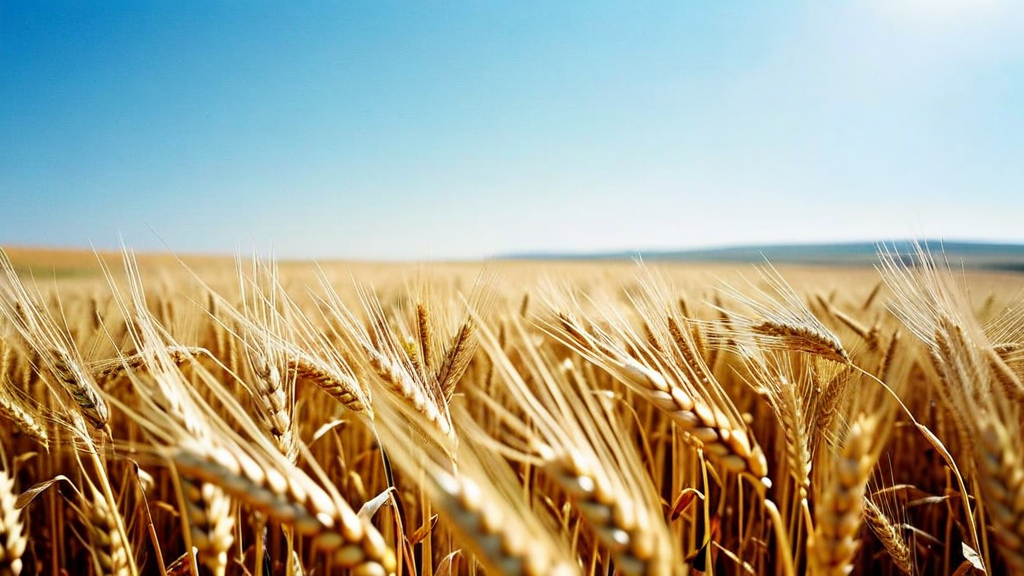
Drought accounts for more annual crop loss than any other abiotic stress — estimates from CGIAR place average global cereal yield losses from water deficit at 20 to 40 percent, with peak losses above 80 percent during severe events. Conventional breeding has chipped away at this problem for decades, but progress has been slow. The genetic architecture of drought tolerance is complex, polygenic, and strongly environment-dependent. That complexity is precisely what makes CRISPR-Cas9 and its derivative tools so valuable for this problem: they allow researchers to manipulate specific nodes in the drought response network without the noise of conventional crossing programs.
What Drought Stress Actually Does to a Plant
Before understanding how gene editing addresses drought tolerance, it helps to understand the cascade of physiological failures that water deficit triggers. When soil water potential drops below the plant's ability to extract moisture, the first response is stomatal closure — guard cells surrounding leaf pores detect declining turgor pressure and close the aperture to reduce transpiration. This is a sensible short-term response: it limits water loss. But it simultaneously shuts down CO2 uptake, which halts photosynthesis. A plant in drought stress is effectively starving while conserving water.
Prolonged closure triggers a secondary cascade: reactive oxygen species (ROS) accumulate in leaf tissues, membrane integrity degrades, protein synthesis slows, and key metabolic enzymes begin to denature. At the same time, abscisic acid (ABA) — the primary stress hormone — floods the plant system, activating hundreds of stress-responsive genes. Some of these responses are protective; many are simply the plant entering a controlled shutdown.
The core challenge for plant scientists is to modify the plant's drought response so that it conserves water more efficiently without triggering the full metabolic shutdown. This requires precision. Blocking stomatal closure entirely would prevent photosynthesis shutdown but would accelerate tissue dehydration. Enhancing it too aggressively saves water but suppresses productivity even under moderate stress. The target is a narrower stomatal response — one that closes partially under water deficit rather than completely.
CRISPR Targets for Drought Tolerance: The Key Loci
The most productive gene editing targets for drought tolerance fall into three categories: stomatal regulation genes, root architecture genes, and osmotic adjustment genes. Each addresses a different point in the drought response cascade.
Stomatal Regulation: SLAC1 and OST2
The SLAC1 (Slow Anion Channel 1) gene encodes a key anion channel in guard cells. When ABA signals are received, SLAC1 channels open, causing chloride and malate to exit the guard cells. This ion efflux reduces osmotic pressure, causing the cells to lose turgor and close. Editing SLAC1 to alter its sensitivity to ABA — rather than disabling it entirely — allows researchers to tune the stomatal closure response. Work published by researchers at UC Davis demonstrated that partial-function SLAC1 variants in Arabidopsis maintained photosynthetic rates 15 percent higher than wild-type plants under moderate drought while still achieving significant stomatal closure under severe stress.
OST2 (Open Stomata 2) encodes a proton pump that drives stomatal opening. Reducing OST2 activity biases stomata toward a more closed state, reducing water loss without fully suppressing the photosynthetic apparatus. Precise base editing of the OST2 promoter region has been demonstrated in tomato, achieving partial downregulation that reduced transpiration by 22 percent under well-watered conditions while maintaining 94 percent of water-sufficient yield.
Root Architecture: DRO1 and RHL1
Deep roots access subsoil moisture that shallow-rooted crops cannot reach. The DRO1 (Deeper Rooting 1) gene, originally identified in a drought-tolerant rice landrace from the Philippines, encodes a protein that regulates root angle. Introducing the DRO1 allele into standard rice varieties, or editing the existing DRO1 locus to alter root gravitropism, produces roots that grow at steeper angles and penetrate deeper into the soil profile.
Field trials conducted by the International Rice Research Institute using a backcrossed DRO1 variety in Philippine upland conditions showed a 40 to 130 percent yield advantage over the recurrent parent under water-limited conditions, depending on drought severity. The trait had no yield penalty under well-watered conditions — a critical requirement for farmer adoption. Translating this approach to cereals via CRISPR editing of orthologous root architecture genes is an active area of research at several institutions, including work underway in ClimateCrop's wheat and sorghum programs.
Osmotic Adjustment: DREB Transcription Factors
Dehydration-responsive element binding (DREB) proteins are transcription factors that regulate the expression of dozens of stress-responsive genes simultaneously. DREB2A, for example, activates genes encoding late embryogenesis abundant (LEA) proteins, which act as molecular chaperones that stabilize proteins during cellular dehydration. It also activates genes for compatible solute synthesis — proline, glycine betaine, trehalose — that maintain cell turgor by lowering osmotic potential.
Early attempts to overexpress DREB transcription factors in crops produced dwarf, low-yielding plants because constitutive stress activation impairs growth processes. Stress-inducible promoters partially solved this problem. CRISPR now offers a more sophisticated solution: editing the coding sequence of DREB regulators to alter their activation thresholds, so the downstream drought-tolerance programs activate at a slightly lower water potential than in wild-type plants. This means the crop prepares for drought stress earlier, without running the full stress program under normal growing conditions.
Delivery Systems: Getting Edits Into Crop Genomes
One of the persistent technical barriers in plant gene editing has been delivery — getting the Cas9-gRNA complex into plant cells and achieving stable genomic integration or transient expression that leads to heritable edits in the next generation.
Three delivery approaches dominate current practice:
- Agrobacterium-mediated transformation: The T-DNA delivery system of Agrobacterium tumefaciens has been used in plant transformation for four decades. It is efficient in dicots (soybean, tomato, canola) but notoriously inefficient in monocots like wheat, maize, and rice — the major global staple crops. The approach typically requires callus culture and regeneration, which is genotype-dependent and can take six to twelve months per cycle.
- Biolistics (particle bombardment): Gold or tungsten particles coated with the editing construct are fired into plant tissue at high velocity. This approach works in recalcitrant monocots but is highly damaging to cells and produces low transformation frequencies. Off-target DNA integration is also more common than with Agrobacterium delivery.
- Ribonucleoprotein (RNP) delivery: Pre-assembled Cas9 protein complexed with guide RNA is delivered directly into protoplasts (cell-wall-stripped cells) via polyethylene glycol treatment or electroporation. RNP delivery produces transient Cas9 activity, eliminates the risk of foreign DNA integration, and dramatically reduces off-target editing. The challenge is regenerating whole plants from protoplasts — a bottleneck that has historically excluded wheat and maize from this approach.
Progress on overcoming these delivery bottlenecks has accelerated significantly. Work from the Bayer Crop Science research group published in 2023 demonstrated efficient wheat transformation using morphogenic regulators (Wuschel/Baby Boom overexpression) to improve callus quality and regeneration frequency, achieving transformation efficiencies that made large-scale editing programs practical for the first time.
From Edited Cells to Field-Ready Varieties
Even after a successful edit is confirmed at the molecular level, the path to a field-deployable variety involves multiple additional steps that can span three to five years. The edited event must be confirmed for on-target editing and screened for off-target modifications using whole-genome sequencing. It must be backcrossed into elite adapted germplasm to eliminate any unintended mutations introduced during tissue culture. And it must be phenotypically characterized across multiple environments and growing seasons to confirm that the drought tolerance trait is stable, heritable, and effective across the range of conditions in the target deployment geography.
Greenhouse phenotyping platforms have advanced significantly, with automated imaging systems measuring leaf area, chlorophyll fluorescence, and stomatal conductance under controlled stress cycles. But field data remains irreplaceable. A genotype that performs well in a climate-controlled greenhouse under a single drought timing may fail in the field because real droughts occur at unpredictable crop growth stages — vegetative, reproductive, or grain-filling — each of which requires different protective mechanisms.
ClimateCrop's ClimateWheat program uses a network of seven trial locations spanning four continents to phenotype drought performance across Mediterranean, subtropical, and semi-arid climate zones. This geographic spread allows the program to capture the diversity of drought stress patterns that commercial varieties will encounter and to select editing strategies that provide broad-spectrum rather than environment-specific protection.
The Regulatory Dimension
Regulatory treatment of CRISPR-edited crops varies significantly by jurisdiction, and this variation has real consequences for development timelines and market access. In the United States, the USDA's SECURE rule (effective 2020) exempts gene-edited crops that could have been produced through conventional breeding from field trial permit requirements — a category that includes most single-gene knockouts and edits that introduce changes occurring naturally within the species. This framework has dramatically accelerated US development timelines.
The European Union maintained a more restrictive stance under its 2001 GMO Directive until the European Commission proposed new rules in 2023 that would treat certain gene-edited plants similarly to conventionally bred plants, provided they meet defined criteria. Member state implementation is ongoing. Meanwhile, Argentina, Brazil, Chile, and several other agricultural nations have adopted case-by-case frameworks that have been more permissive for editing without foreign DNA insertion.
For drought tolerance specifically, the combination of US and Latin American regulatory access provides a commercially viable path. Wheat grown under drought-prone conditions in the US Great Plains and sorghum in Brazil's semi-arid northeast represent significant addressable markets even before European regulatory clarity is achieved.
Where the Field Stands Now
CRISPR drought tolerance work has moved from proof-of-concept in model plants to advanced field evaluation in commercial crop backgrounds within roughly eight years. That pace reflects both the maturity of the editing tools and the depth of the underlying plant science. What once required extensive mutagenesis screens or complex crossing programs to study a single gene now takes weeks of editing work and a season of greenhouse confirmation.
The current frontier is stacked traits — combining stomatal optimization, deep root architecture, and osmotic adjustment into a single genetic background without yield penalty. These multitrait events require careful ordering of edits to avoid epistatic conflicts between drought response pathways and are substantially more complex to develop and characterize than single-locus modifications. They are also, when successful, substantially more protective against the full range of drought conditions a crop will encounter across its production area.
Water availability for agriculture is projected to decline in most major production regions as climate patterns shift. The crops that feed the next generation will need to extract more yield from less water. Precision gene editing is not the only tool available for that problem, but it is the most targeted — and for a problem as molecularly specific as drought response, targeting matters.