Climate-Resilient Crop Solutions

Our gene-edited crop portfolio addresses the specific abiotic stress combinations that threaten agricultural productivity in each of the world's major growing regions.

The Problems ClimateCrop Solves

Climate change is rewriting the rules of crop production. We've engineered the answers.

Water Scarcity

Intensifying drought cycles reduce crop yields by 30–50% in major growing regions. Our edited varieties maintain productivity with 60% less water.

Rising Temperatures

A single day above 38 °C during pollination can eliminate an entire maize harvest. Our heat tolerance program protects reproductive stages.

Degraded Soils

Saline, compacted, and acid soils cover hundreds of millions of hectares of potential cropland. We engineer roots that thrive in these conditions.

Nutrition Deficits

Over two billion people suffer micronutrient deficiencies. Our biofortification programme elevates iron, zinc, and vitamins in staple crops.

ClimateCrop crop portfolio

Twelve Crop Species, One Platform

ClimateCrop's editing platform operates active programmes across twelve crop species — from global staple cereals to legumes, oilseeds, and specialty crops critical to regional food security. Each programme applies the same rigorous target identification, editing precision, and field validation standards.

Our trait portfolio addresses five major stress categories — drought, heat, salinity, nutrient deficiency, and biotic stress — as well as yield enhancement and nutritional biofortification. Multiple traits are often combined through a single editing event or by crossing edited lines, enabling stacked climate resilience packages in elite commercial backgrounds.

All varieties are available for licensing. Our humanitarian licensing programme provides royalty-free access to food security crops for national agricultural research systems in low- and lower-middle-income countries.
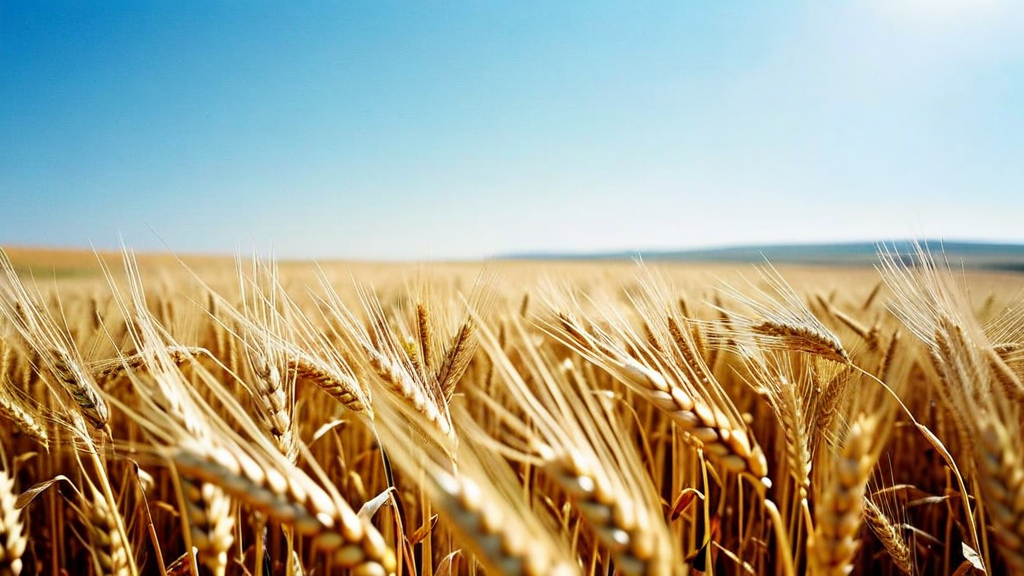
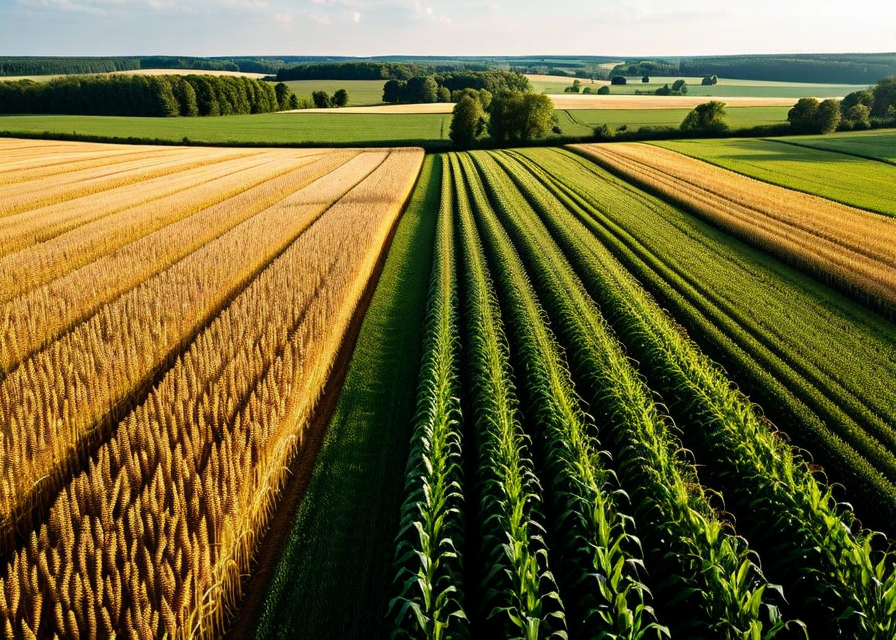
Drought-resistant wheat field

Crop-Specific Programmes

Each crop programme is built around the specific stress combinations that threaten that crop in its key growing environments.

ClimateWheat drought-resistant wheat field
Wheat icon

ClimateWheat

Drought and heat resilience for the world's most-traded staple grain.

  • 40% yield advantage under drought
  • Pollen viability maintained above 35 °C
  • 10-day extended grain filling under heat stress
  • Phase 3 multi-location field validation
DroughtHeatPhase 3
ClimateMaize corn field
Maize icon

ClimateMaize

Heat and water stress tolerance for the world's highest-volume cereal.

  • Pollination success maintained at up to 40 °C
  • 35% water use efficiency improvement
  • Accelerated phenology avoids peak heat windows
  • Validated across US Corn Belt & Sub-Saharan Africa
HeatDroughtPhase 2+
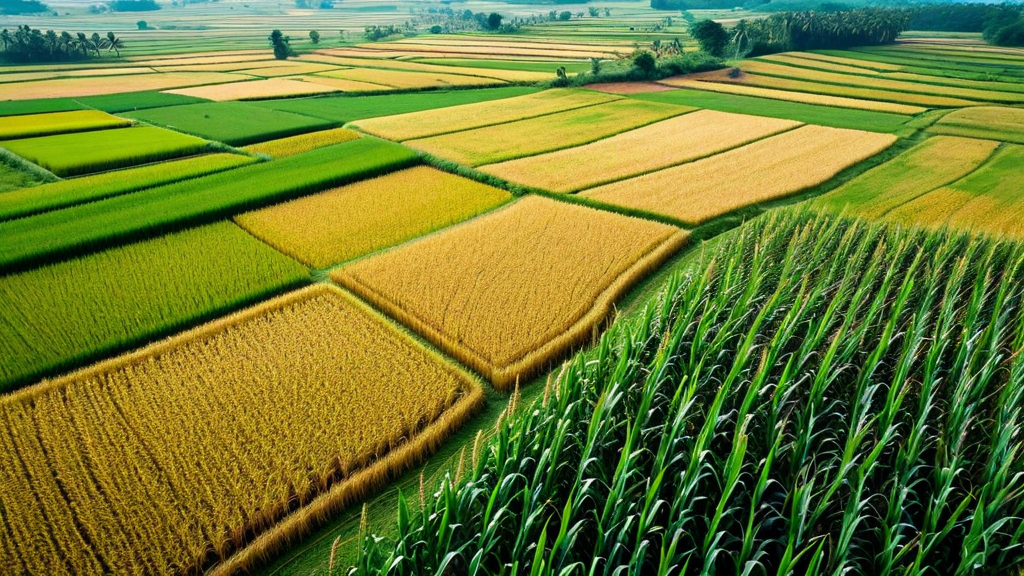
ClimateRice paddy field
Rice icon

ClimateRice

Submergence, drought, and coastal salinity tolerance for lowland rice systems.

  • 14-day submergence tolerance without yield penalty
  • Aerobic cultivation in rainfed lowlands
  • Salt exclusion for coastal production
  • Phase 2 complete: Bangladesh, Philippines, India
FloodDroughtSalinity
ClimateSorghum grains
Sorghum icon

ClimateSorghum

Enhanced efficiency for arid-zone and smallholder farming systems.

  • 25% nitrogen use efficiency improvement
  • Enhanced seedling vigour in poor conditions
  • Extended photoperiod insensitivity for wider adaptation
  • Phase 2 trials initiated 2025
AridN-efficiencyPhase 2
ClimateSoy soybean canopy
Soybean icon

ClimateSoy

Drought tolerance and nitrogen fixation efficiency for the world's primary protein crop.

  • Canopy temperature reduction of up to 2 °C under drought
  • 30% improvement in N-fixation under drought
  • Enhanced pod retention under end-of-season drought
  • Phase 2 ongoing in Brazil and US
DroughtN-fixationPhase 2
ClimateChickpea food diversity
Chickpea icon

ClimateChickpea

Heat and terminal drought tolerance for South Asia's critical protein source.

  • Pollen viability maintained above 38 °C
  • 35% pod set improvement under terminal drought
  • Flowering window extended by 12 days under heat
  • Humanitarian licensing available
HeatDroughtHumanitarian
6 Active Crop Programmes
12+ Traits in Pipeline
4 Programmes in Phase 2+
Free Humanitarian Licensing

Licensing and Access

ClimateCrop commercialises its edited germplasm exclusively through licensing. Four models to fit your organisation.

Commercial Licensing

Full commercial rights for seed company partners to develop, produce, and market products incorporating ClimateCrop edited germplasm. Royalty structures based on acres planted or seed revenue. Exclusive territorial rights available for major markets.

Research Licensing

Non-commercial research access for academic institutions and public breeding programmes. Minimal fee structure designed to enable scientific collaboration and provide ClimateCrop with independent validation data from diverse environments.

Humanitarian Licensing

Royalty-free access to food security crop germplasm for national agricultural research systems in eligible low- and lower-middle-income countries. ClimateCrop maintains this programme as a core organisational commitment.

Co-Development Partnerships

Joint development agreements where seed company partners contribute elite germplasm, field trial infrastructure, and market intelligence while ClimateCrop contributes editing technology and trait expertise. Shared IP and commercial rights negotiated case by case.

Bring Climate-Resilient Genetics to Your Seed Portfolio

Contact our licensing team to discuss how ClimateCrop's edited germplasm can strengthen your product line for the challenges ahead.

Contact Our Licensing Team